
· Life Hacks · 4 min read
Processed Meat and Cancer Risk: Understanding the WHO Warning
Processed meats such as sausages, bacon, ham, and cured meats have long been household staples in daily diets due to their convenience and rich flavor profiles. However, gaining a clear understanding of the safety levels of this food group is essential for long-term health protection.
In 2015, the International Agency for Research on Cancer (IARC), an agency of the World Health Organization (WHO), officially classified processed meat as Group 1 – Carcinogenic to humans; while red meat was classified as Group 2A – Probably carcinogenic to humans.
Quick Summary:
The IARC classification is based on the strength of scientific evidence regarding consumption dosage and frequency, rather than implying that eating small amounts guarantees illness. Consuming 50g of processed meat daily increases colorectal cancer risk by approximately 18%. Consumers should moderate portion sizes, refine cooking methods, and prioritize healthier protein alternatives.
1. Food Risk Classifications by IARC / WHO
To avoid unnecessary alarm, consumers should understand the exact definition behind WHO’s risk categories:
| Classification | IARC / WHO Definition | Food Examples / Agents |
|---|---|---|
| Group 1 | Sufficient scientific evidence confirming it is carcinogenic to humans | Processed meats (sausages, bacon, ham), tobacco, UV radiation |
| Group 2A | Limited evidence in humans but sufficient evidence in animals indicating it is probably carcinogenic | Red meat (beef, pork, lamb, goat) |
Note: This classification evaluates the strength of scientific evidence linked to potential risks associated with intake dosage, frequency, and overall dietary habits, rather than stating absolute toxicity at every consumption level.
2. Scientific Evidence and Consumption Trends
According to the WHO, processed meat refers to any meat transformed through salting, curing, fermentation, or smoking to enhance flavor or improve preservation.
- Warning Statistics: A working group of 22 experts from 10 countries reviewed over 800 scientific studies and concluded that consuming 50g of processed meat daily increases the risk of colorectal cancer by approximately 18%.
- Trends in Vietnam: Per capita pork consumption in Vietnam rose significantly from 30kg/year (2021) to 39kg/year (2025). This upward trend highlights the need for active daily portion management regarding processed meats.
3. Key Carcinogenic Mechanisms in Processed Meat
Harmful impacts on the digestive tract stem primarily from chemical compounds formed during preservation and high-temperature cooking:
- Nitrites and Nitrates: Added during curing to improve color and inhibit bacterial growth. In the digestive tract, they convert into N-nitroso compounds (NOCs)—direct carcinogens that cause DNA damage.
- Heme Iron in Red Meat: Accelerates the formation of hazardous N-nitroso compounds within the gut.
- Heterocyclic Amines (HCAs): Formed when meat is cooked or fried at high temperatures.
- Polycyclic Aromatic Hydrocarbons (PAHs): Generated when meat is grilled over an open flame or smoked.
4. Guidelines for Safe Protein Consumption
Leading health organizations, including the World Cancer Research Fund (WCRF) and the American Institute for Cancer Research (AICR), recommend limiting processed meat intake as much as possible.
Healthy Protein Swaps and Cooking Adjustments
| Category | Options to Limit | Healthy Alternatives |
|---|---|---|
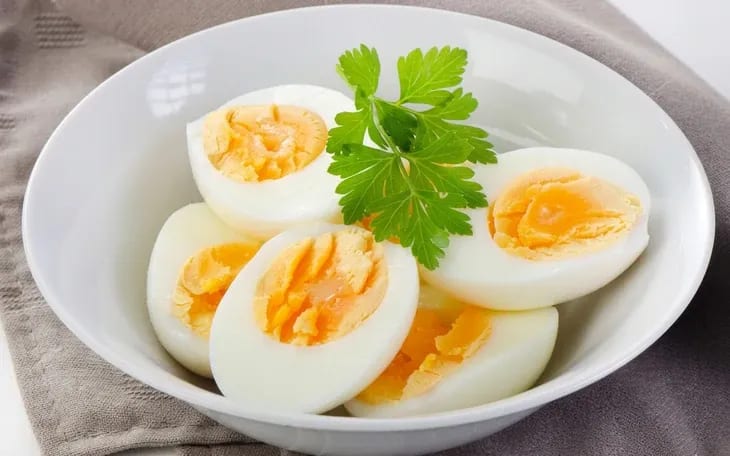
| Primary Protein | Sausages, bacon, cured ham, canned meats | Eggs, fish, poultry (chicken/turkey), tofu, legumes/beans |
| Cooking Methods | Direct flame grilling, high-heat deep frying | Boiling, steaming, gentle stewing |
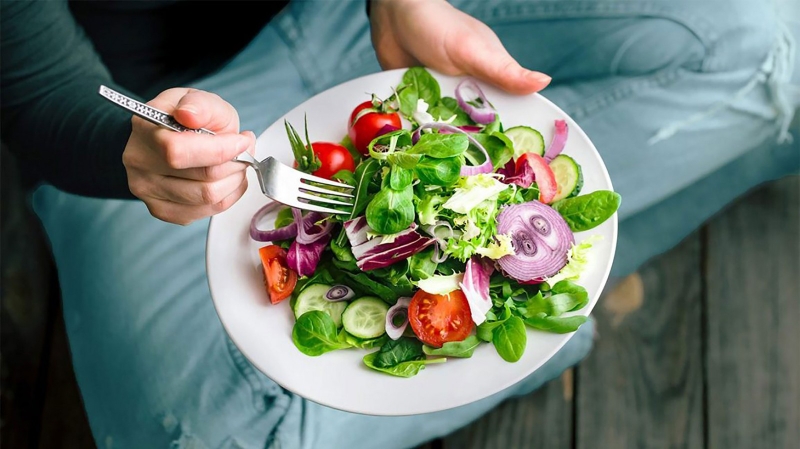
| Meal Pairings | Processed meats consumed alone | Paired with leafy greens, vegetables, and whole grains |
5. A 4-Step Action Plan for Personal Health Management
| Step | Actionable Advice |
|---|---|
| 1. Reduce Frequency | Treat processed meats as occasional indulgences rather than daily protein staples. |
| 2. Refine Cooking Styles | Prefer boiling or steaming to minimize the formation of high-heat HCAs and PAHs. |
| 3. Increase Fiber | Incorporate green vegetables and whole grains into every meal to support digestion and toxin elimination. |
| 4. Regular Screenings | Undergo routine colorectal cancer screenings, particularly for individuals over 45 years of age. |
6. Summary
The IARC/WHO Group 1 classification does not mean you must permanently ban processed meats from your life overnight. The key lies in moderation, portion control, and dietary variety. By adjusting your cooking habits and staying proactive with health screenings, you can effectively safeguard your digestive health and family wellness.
References
- International Agency for Research on Cancer (IARC / WHO): Evaluation report on the carcinogenicity of red meat and processed meat (2015).
- World Cancer Research Fund (WCRF) & American Institute for Cancer Research (AICR): Cancer Prevention Recommendations.