

· Life Hacks · 5 min read
Concerns Over the 10,000-Ton Spoiled Chicken Feet Scandal: How Can Consumers Protect Themselves?
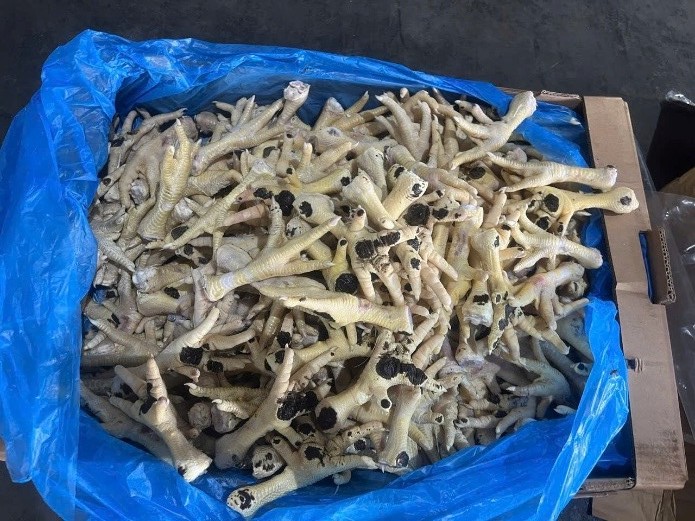
The recent incident where Hanoi Police prosecuted and temporarily detained the Director of An Binh Import-Export and Trade Development Joint Stock Company on charges of smuggling and selling over 10,000 tons of “spoiled” chicken feet has shocked the public. This massive figure, equivalent to 1.2 million tons of chicken feet imported and consumed between 2023 and 2026, serves as a serious wake-up call about the reality of low-quality, contaminated food stealthily making its way into daily meals.
What is most concerning is that this volume of chicken feet was distributed widely across many provinces and cities nationwide, supplying restaurants, eateries, and food stalls—places where average consumers have very little control over raw ingredient sourcing. With police discovering chicken feet that were expired, covered in white mold, foul-smelling, and even sourced from countries with active avian disease outbreaks, the risk to public health is incredibly high.
Quick Summary:
The 10,000-ton spoiled chicken feet case highlights that food safety remains a pressing issue. Consumers must elevate their vigilance, learn how to spot unsafe chicken feet, and always strictly follow quick check steps before purchasing or consuming.
1. What Are the Risks of Consuming Spoiled Chicken Feet?
The dangers associated with contaminated or expired chicken feet are immense, causing not only immediate digestive issues but also posing long-term health risks:
- Food Poisoning: Bacteria and mold multiplying rapidly on spoiled chicken feet (such as the white-molded, foul-smelling batches seized in the warehouses) can trigger symptoms like nausea, diarrhea, and severe abdominal pain, leading to acute poisoning.
- Disease Outbreaks: Chicken feet originating from regions with active poultry diseases can potentially spread dangerous pathogens, such as avian influenza (bird flu), directly threatening human health and the local livestock industry.
- Long-term Health Impact: Harmful toxins, chemical preservatives, or heavy rancidity accumulated in the body from low-quality food over extended periods can cause serious damage to liver and kidney functions over time.
2. Why Does Illicit Food Still Persist in the Market?
Despite continuous efforts by regulatory bodies to enforce food safety, illicit and substandard chicken feet still find loopholes into the market due to several key factors:
| Root Cause | Simple Explanation |
|---|---|
| High Profit Margins | Smuggling and selling chicken feet without declaring commercial use or paying taxes brings massive illicit profits to violators. |
| Bypassing Import Controls | These batches are illegally brought in from countries dealing with poultry diseases or from facilities not approved to export to Vietnam. |
| Exploiting Large Cold Storage | Violators utilize massive cold storage units in industrial zones or border regions to hoard expired goods, waiting for the right time to filter them into the domestic market. |
| Wholesale Distribution Networks | Dumping massive quantities through wholesale middlemen to local restaurants and diners makes it incredibly hard for the end consumer to trace the product’s origin. |
Keep in Mind:
Uncovering the logistics of over 10,000 tons of spoiled food reveals that commercial fraud tactics are becoming increasingly sophisticated for the sake of profit.
3. How Can Consumers Protect Themselves?
In the face of unverified and unsafe food sources creeping into the market, consumers need to take proactive steps to safeguard their health:
- Choose Traceable Sources: Prioritize buying fresh chicken feet or packaged ready-to-eat chicken feet from highly reputable brands, major supermarkets, or stores with clear food safety certifications.
- Scrutinize Packaging and Labels: Packaged products must have intact seals, with no tears or air leaks. Labels must clearly state the origin, manufacturing date, and expiration date. Avoid any products with blurred or altered dates.
- Examine via Sensory Details: High-quality, safe chicken feet should have a natural, fresh color and a firm texture. Completely avoid chicken feet with dark bruising, white mold patches, or a foul, off-flavor odor.
- Follow the “Cooked Food, Boiled Water” Rule: Always cook raw chicken feet thoroughly at high temperatures before eating to eliminate any potential surface bacteria or mold.
- Be Cautious When Dining Out: Limit the consumption of street food or dining at establishments where hygiene standards and ingredient transparency are questionable.
4. A Quick 5-Step Check Before Buying Chicken Feet
Before purchasing fresh chicken feet or any pre-processed variations, you can quickly run through these simple checkpoints:
| Checkpoint | What to Look For? |
|---|---|
| 1. Inspect the Packaging | Seals must be completely intact, with no leaks, tears, or unusual bloating. |
| 2. Verify the Expiration Date | Never buy products that are expired or have faded, unreadable date prints. |
| 3. Observe the Color | Safe chicken feet should be naturally white or slightly ivory-beige. Avoid anything with deep yellowing, dark bruises, or white mold spots. |
| 4. Sniff for Off-odors | Fresh chicken feet smell neutral, and processed ones smell of spices. Discard immediately if you catch a sour, pungent, or chemical-like scent. |
| 5. Feel the Texture | The skin should be firm and elastic. Avoid chicken feet that feel excessively slimy, sticky, or unusually mushy. |
5. The Informed Consumer’s Takeaway
The 10,000-ton spoiled chicken feet scandal is an explicit warning about the current state of food safety. As consumers, we must stay alert, educate ourselves on how to identify safe food, and maintain proper inspection habits before making a purchase. Supporting transparent, ethical food manufacturers while actively rejecting unverified sources is the most effective way to protect your personal health and the community at large.
Final Conclusion:
Food safety is paramount. Proactively safeguard your health and your family by choosing to be a smart, well-informed consumer every single day.
References
- The 10,000-Ton Spoiled Chicken Feet Case - Investigative report by Tran Cuong & Nguyen Truong (Thanh Nien Newspaper, published June 19, 2026).
- Vietnam Food Administration (VFA) - Ministry of Health: Safety guidelines for selecting and storing frozen commercial poultry products.